
Top Church Marketing Strategies: Engage & Promote
In today’s digital age, churches face unique challenges in reaching their communities. Traditional methods alone may not suffice. Embracing modern marketing strategies is essential.
Churches must adapt to stay relevant and connected. This involves understanding the power of digital tools. Social media, websites, and email are vital channels.
Effective church marketing goes beyond mere promotion. It involves building relationships and fostering community. Engaging content and authentic communication are key.
Church leaders need to align marketing with their mission. This ensures consistency and authenticity in messaging. A clear understanding of the audience is crucial.
Community engagement methods can strengthen ties with local residents. Events and outreach programs play a significant role. They increase visibility and involvement.
Church social media platforms offer vast potential. They can reach a broader audience and enhance engagement. Tailored content can resonate with diverse groups.
Promoting church events requires strategic planning. Effective promotion can boost attendance and participation. It also helps in spreading the church’s message.
By leveraging these strategies, churches can thrive. They can create a lasting impact in their communities. The journey begins with understanding and action.
Understanding Your Church’s Mission and Audience
Before embarking on any marketing strategy, clarity in mission is vital. Your church’s mission provides direction and purpose. It serves as the foundation for all marketing efforts.
Understanding your audience is equally important. Knowing their needs and preferences ensures meaningful engagement. This knowledge allows for tailored content that resonates.
Begin by identifying the core values of your church. List the primary goals you wish to achieve:
- Spread the gospel and faith
- Foster a supportive community
- Enhance outreach and engagement
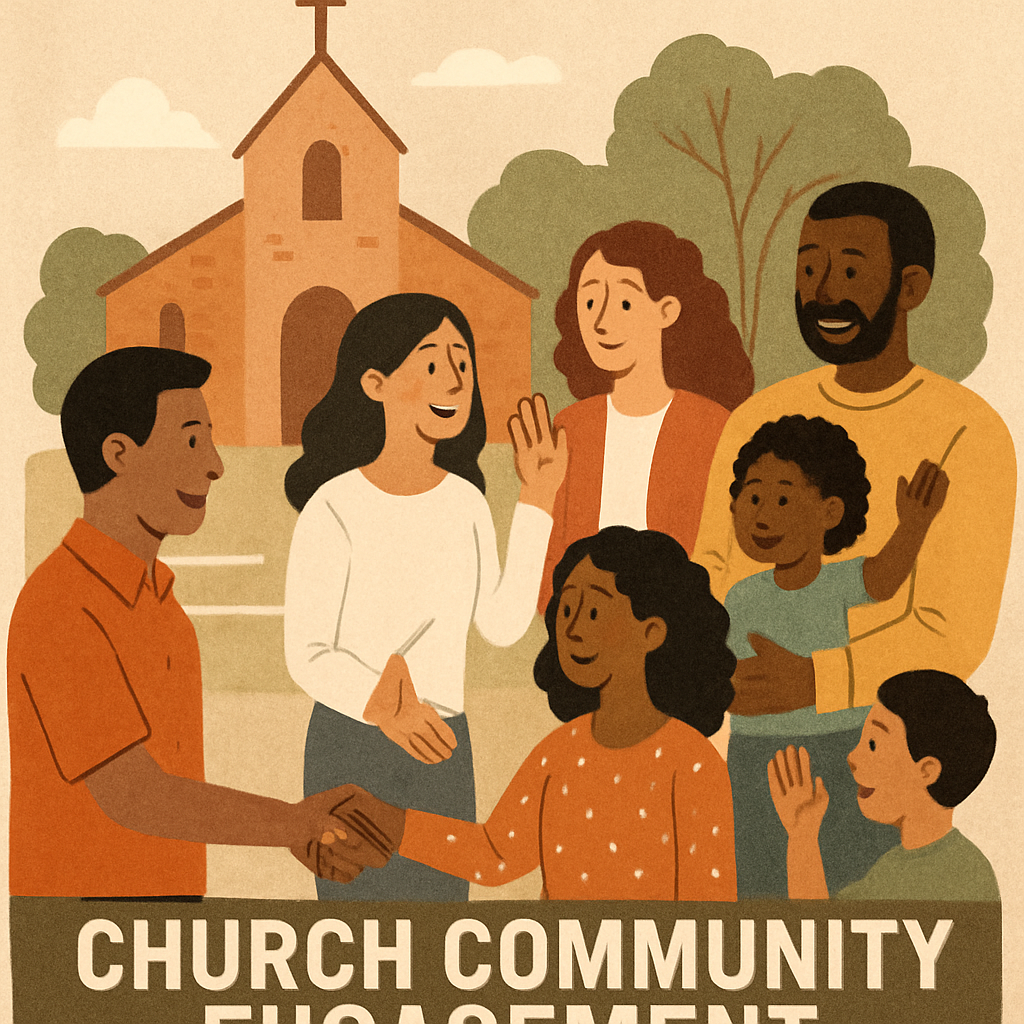
Recognizing demographic details of your congregation is crucial. Who are they? What age groups and cultures are represented? Answering these questions aids in creating inclusive content.
Consider utilizing surveys to gather audience insights. Such feedback can guide your marketing strategies effectively. Regular updates and adjustments ensure relevance.
This foundational work enriches your outreach efforts. Aligning marketing with mission amplifies authenticity. Understanding your audience enhances connection and trust.
Building a Strong Church Brand
A strong brand communicates your church’s unique identity. It sets you apart and builds recognition in the community. Your branding should reflect your church’s values and mission.
Creating a consistent visual identity is crucial. Use the same colors and fonts across all materials. Consistent branding promotes easy recognition and fosters trust.
Develop a clear and concise brand message. This message should convey your church’s purpose and vision. It should be memorable and easy to communicate.
Consider these essential elements for your church brand:
- Logo and tagline
- Consistent color scheme
- Unified messaging and tone
Incorporate branding into every aspect of your church’s outreach. Whether it’s social media or printed materials, maintain coherence. An effective brand becomes synonymous with your church’s mission.
A well-established brand builds a sense of belonging. It creates a welcoming atmosphere for both current members and newcomers. Emphasizing your church’s unique story can deepen community connections.
Optimizing Your Church Website for Engagement
Your church website serves as the digital front door. It’s the first place many people will learn about your church. Make sure it effectively communicates who you are.
Ensure the website is easy to navigate. Visitors should find relevant information quickly. This includes service times, location, and contact details.
Enhance engagement by featuring dynamic content. Update blog posts, sermons, and event calendars regularly. Fresh content encourages return visits.
Consider implementing the following elements:
- Mobile-responsive design
- Intuitive navigation
- Search engine optimization (SEO)

by Thanos Pal (https://unsplash.com/@thanospal)
SEO practices can boost your website’s visibility in search results. Use relevant keywords throughout your site. Optimized content attracts more visitors and improves engagement.
Don’t overlook the importance of a mobile-friendly site. Many users access websites on their phones. A responsive design caters to these visitors.
Your website should offer a welcoming experience. Clear calls-to-action guide visitors toward further involvement. This can include signing up for newsletters or joining small groups.
Leveraging Church Social Media for Outreach
Church social media is a powerful tool for connecting with the community. Platforms like Facebook and Instagram offer vast reach. They allow churches to engage with both members and new audiences.
Consistency is key in maintaining an active online presence. Regular posts keep your community informed. Share updates, devotionals, and inspirational content.
Consider the following types of content:
- Inspirational quotes and Bible verses
- Event announcements and recaps
- Behind-the-scenes videos

by Michelle Tresemer (https://unsplash.com/@mtresemer)
Engage followers by responding to comments and messages promptly. This fosters connection and shows care. It encourages further interaction and engagement.
Create content tailored to your audience’s interests. Understanding your demographics helps in crafting relevant messages. Content should resonate with the congregation and reflect the church’s mission.
Utilize features like Instagram Stories and Facebook Live. These tools provide dynamic ways to connect. They allow real-time interaction and broader reach.
Keep these strategies in mind for boosting engagement:
- Host Q&A sessions about faith topics
- Share volunteer opportunities
- Highlight member testimonials and stories
Social media analytics can guide your efforts. Track engagement metrics to see what works. Adjust strategies based on insights for better outcomes. Social media isn’t just about broadcasting messages. It’s about creating a conversation with your community.
Content Marketing: Telling Your Church’s Story
Content marketing allows your church to share its unique story. It helps in deeply connecting with your congregation. By telling authentic stories, you convey your church’s mission and values effectively.
Storytelling should be at the heart of your content strategy. It humanizes your church and builds emotional connections. Focus on sharing stories that highlight the impact of your ministry.
Consider these storytelling elements for your content:
- Personal testimonies from congregation members
- Success stories of community outreach programs
- Historical anecdotes about your church’s journey

by Ihor Malytskyi (https://unsplash.com/@ihor_malytskyi)
Incorporating diverse voices in your content is important. Highlight stories from different members of your congregation. This fosters an inclusive and welcoming church environment.
Visual content can enhance your storytelling. Use photos, videos, and infographics to make stories more engaging. Visuals grab attention and increase the emotional impact.
Develop a content calendar to manage your storytelling efforts. Planning helps ensure a steady flow of engaging stories. It also allows for strategic themes and timely content delivery.
Community Engagement Methods That Work
Engaging with your community effectively can make a significant impact. It’s about building relationships that resonate beyond church walls. Community engagement requires creativity and consistency.
To strengthen local ties, consider various methods. Start with organizing community events that cater to local interests. Events like family fun days or community clean-ups foster connections. They also offer opportunities for outreach.
Explore collaborative opportunities with local entities. Partner with schools or community centers for joint initiatives. These partnerships widen your reach and enhance your reputation.
Here are some community engagement methods to consider:
- Host free workshops or seminars
- Set up community garden projects
- Provide support groups for various needs
And for establishing connections:
- Regularly visit local businesses
- Attend community events consistently
- Hold open forums for community feedback

by CHUNTUNG KAM (https://unsplash.com/@chuntung_kam)
Focus on creating genuine interactions. Use these gatherings to listen and understand community needs. Engaged communities tend to be more involved and supportive.
Incorporate feedback from residents into your strategies. This demonstrates that you value their input and fosters trust. A trusted church often becomes a cornerstone in its community.
Effective Church Event Promotion Strategies
Promoting church events effectively is crucial for attendance and engagement. It requires strategic planning and a mix of promotion techniques. Start by identifying the key message of your event and target audience.
Use a variety of channels to reach different demographics. Church social media, local news outlets, and community boards offer broad reach. Each platform allows for different types of engagement and interaction.
Consider creating visual materials to catch attention. Posters, flyers, and graphics help convey your message quickly. Consistent branding across all materials reinforces your church’s identity.
Develop a promotion timeline:
- Begin promotion at least a month before the event
- Schedule regular updates and reminders
- Create countdowns to build anticipation
Engage your congregation in spreading the word. Encourage members to invite friends and family personally. Word of mouth remains a powerful tool in attracting attendees.
Finally, ensure your event is accessible. Providing clear information on location, time, and activities is essential. An effectively promoted event not only boosts attendance but also strengthens community bonds.
Email and Text Marketing for Churches
Email and text marketing offer direct channels to communicate with congregants. They are both cost-effective and efficient. Tailor these messages to engage and inform your audience.
Segment your email lists for better targeting. Distinguish between regular attendees, new visitors, and volunteers. Each group may require different information and calls to action.
Consider these email and text marketing strategies:
- Weekly newsletters with upcoming events
- Personalized messages for birthdays and anniversaries
- Quick updates or reminders about services
Incorporate links to the church website or social media for further engagement. Texts are excellent for time-sensitive alerts, such as last-minute changes. Consistent use of email and text can strengthen community ties and ensure everyone stays informed.
Using Video, Live Streaming, and Podcasts
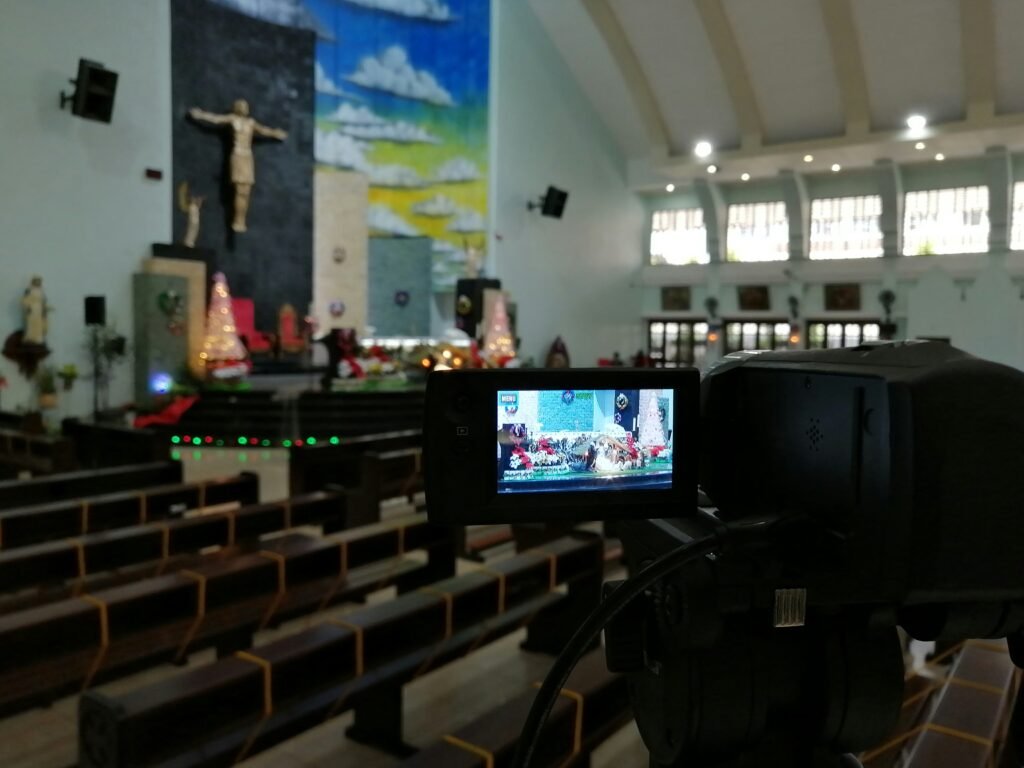
Video content is a powerful tool for enhancing church outreach. It can bring your services and events directly to people’s homes. Live streaming can engage those who cannot attend in person, expanding your reach.
Podcasts offer another way to share valuable messages and teachings. They can be accessed anytime, making them convenient for busy schedules. Moreover, podcasts can attract new audiences who prefer audio content.
To leverage these mediums effectively, consider:
- Recording sermons and uploading them online
- Hosting live Q&A sessions with the pastor
- Creating a podcast series on faith topics
Use these multimedia tools to create meaningful connections and foster a sense of community among followers, regardless of physical boundaries.
by Joe Pranoto Marselo (https://unsplash.com/@joemarselo)
Measuring Success: Analytics and Feedback Loops
Regularly measuring your marketing efforts is vital for ongoing success. Utilize analytics tools to track website traffic, social media engagement, and email open rates. These metrics offer insight into what’s working and what needs improvement.
Incorporate feedback loops to understand community needs better. Solicit opinions through surveys or direct conversations with congregation members. This feedback helps refine your strategies to align with community expectations.
To effectively measure and iterate:
- Use Google Analytics to track website performance
- Conduct periodic surveys for congregational feedback
- Adjust strategies based on analytics data and feedback
Consistent evaluation and adjustment are key to maintaining effective church marketing strategies.
Training, Volunteers, and Team Development
Building a capable marketing team is critical for a church’s success. Regular training sessions help keep everyone updated on new techniques and platforms. Invest time in developing skills that align with your church’s needs.
Volunteers can be a tremendous asset. They often bring fresh perspectives and enthusiasm to the team. Encourage them to participate in outreach and event planning to boost their involvement and skill sets.
Prioritize team development by:
- Offering ongoing training opportunities
- Encouraging open communication and collaboration
- Recognizing and utilizing individual strengths
A well-trained and motivated team is crucial for executing effective marketing strategies.
Advanced Digital Marketing Tactics for Churches
Embracing advanced tactics can propel church marketing efforts forward. Digital marketing offers unique opportunities to reach broader audiences. Churches must explore these avenues to maximize their outreach potential.
Consider implementing the following tactics:
- Experiment with paid ads on platforms like Facebook and Instagram
- Utilize search engine optimization (SEO) to increase online visibility
- Engage with followers through interactive content like polls and quizzes
Advanced strategies often require a bit more investment of time and resources. However, the increased engagement and growth potential can be well worth it. It’s essential to stay informed about digital trends and adapt strategies accordingly.

by Mihai Moisa (https://unsplash.com/@moisamihai092)
Conclusion: Creating a Lasting Impact
Effective church marketing can transform outreach and community connection. By utilizing diverse strategies, churches can enhance their engagement and growth. It is crucial to align efforts with your mission and audience’s needs.
Consistency and creativity are key to sustainable impact. Regularly review and refine strategies to ensure alignment with evolving community dynamics. With dedication and thoughtful planning, churches can foster meaningful relationships and create a lasting impression.